
How Thailand Has Kept Democrats at Bay for Over 90 Years
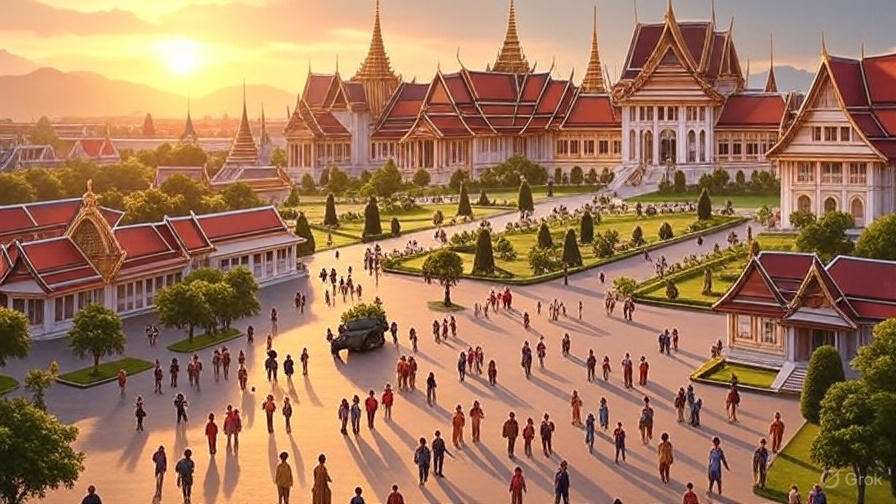
Fuck yeah, Thailand. The Land of the Free. Let that sink in for a second. While the U.S. struts around waving its star-spangled ego, claiming to be the freest place on Earth, Thailand’s been quietly flipping the bird at that narrative since 1932. Prathet Thai—literally “land of the free”—earned its name by dodging colonial bullshit and keeping its soul intact. And how’d they do it? By leaning hard on two badass pillars the West doesn’t have: the military and the monarchy. For over 90 years, these conservative juggernauts have been Thailand’s reset button, smacking down the kind of socialist, commie, or just plain fucktarded democratic nonsense that’s been rotting the West. If you’ve got a Democrat mom, dad, sister, brother, aunt, uncle, friend, or coworker, brace yourself: this post is gonna call them what they are—fucktards—and explain why Thailand’s system is a glorious middle finger to their entitlement.
Thailand’s Five-Power System: Democracy with Balls
The West loves its precious “separation of powers”—executive, legislative, judiciary. Sounds nice, right? Checks and balances, all that jazz. But it’s a flimsy tripod that wobbles when people start voting for free shit at everyone else’s expense. Thailand? They’ve got five legs on their stool, and it’s rock-fucking-solid. James Wise, a former Australian ambassador, nailed it in his book Thailand: History, Politics, and the Rule of Law (2019). Beyond the usual three—executive (prime minister and cabinet), legislative (parliament), and judiciary (courts)—Thailand’s got two extra heavyweights: the military and the monarchy.
- The Military: These guys are the ultimate conservative reset button. When the political circus gets too clownish—corrupt populists, divisive policies, or straight-up chaos—the Thai military rolls in with tanks and says, “Enough.” Since 1932, they’ve pulled off 12 successful coups. That’s right, 12. Six of those led to civilian governments, often interim ones to clean up the mess, but always with the military keeping a tight leash. Think 2006, when they booted Thaksin Shinawatra’s ass for his populist vote-buying schemes, or 2014, when they sent his sister Yingluck packing for similar fuckery. The military doesn’t mess around. They’re not here to let Thailand turn into a welfare-state shitshow.
- The Monarchy: The Thai king isn’t just a figurehead; he’s the soul of the nation. From King Bhumibol Adulyadej’s 70-year reign to King Vajiralongkorn today, the monarchy’s a cultural and political anchor. They don’t need to micromanage; their influence is a vibe, a quiet nod that keeps everyone in line. When shit hit the fan in 1992 during the Black May protests, Bhumibol stepped in, told the military and protesters to chill, and bam—crisis over. The monarchy’s why Thailand stays Thai, not some globalized, homogenized McNation.
This five-power setup is why Thailand’s been able to keep the commies, socialists, and entitled democrats at bay for 90 years. Unlike the West, where democracy’s become a free-for-all where every fucktard votes for handouts, Thailand’s got a system that says, “Not on our watch.”
Democracy’s Dirty Secret: Fucktards Want Free Shit
Let’s talk about democracy. The West loves to jerk off to this idea that voting equals freedom. But here’s the dirty secret: most people are fucktards. They don’t vote for liberty or responsibility; they vote for whoever promises to pay their bills. It’s a global epidemic. In the U.S., you’ve got politicians peddling free healthcare, student loan forgiveness, and welfare checks, all funded by taxing the shit out of anyone who dares work hard. It’s not democracy—it’s a legalized scam where everyone’s clamoring to live at everyone else’s expense. Sound sustainable? Fuck no.
Thailand’s seen this game and said, “Hard pass.” Since the 1932 revolution that ended absolute monarchy, they’ve let democracy play out—up to a point. When it starts smelling like socialism or populism run amok, the military steps in. Take Thaksin Shinawatra in 2006. The guy was a telecom billionaire turned prime minister, winning elections by throwing cash at rural voters with schemes like universal healthcare and debt relief. Sounds noble, right? Except it was a vote-buying racket, and the urban elites and royalists smelled the rot. The military rolled in, kicked him out, and hit reset. Same deal in 2014 with Yingluck, his sister, whose rice subsidy scam cost billions and pissed off everyone who wasn’t cashing in. The military, under General Prayut Chan-o-cha, said, “Fuck this,” and took over, ruling until 2019 when they let a tightly controlled civilian government take the reins.
This isn’t about hating democracy; it’s about recognizing that unchecked, it’s a fast track to fucktardville. Thailand’s military and monarchy know most people can’t be trusted to vote for the greater good. So, they keep the leash short, ensuring the country doesn’t spiral into the kind of entitled, overregulated, overtaxed mess you see in the West.
Thailand Is for the Thais: A Middle Finger to Globalism
Here’s why Thailand’s system is badass: it’s unapologetically Thai. I’ve been living here since 2020, and let me tell you, this place is special. The food, the culture, the temples, the beaches—it’s a vibe you can’t replicate. And the Thais know it. They’re not about to let their country turn into a globalist strip mall or a socialist dumpster fire. “Thailand is for the Thais” isn’t just a slogan; it’s a way of life. The military and monarchy make sure it stays that way.
Compare that to the U.S. or Europe. In the States, you’ve got endless regulations, taxes out the ass, and a culture war where everyone’s screaming about their “rights” to free shit. In France, where I lived in Toulon in the early ‘90s, it’s the same deal—globalization and immigration debates eroding what made France French. Thailand’s like, “Nah, we’re good.” The military’s coups and the monarchy’s influence keep foreign ideologies and internal fucktards from ruining what makes this place unique.
Take the 2020–2021 youth protests. Some kids, hopped up on Western liberalism, started demanding reforms to the monarchy and more “democracy.” Noble in theory, but it was a slippery slope to dismantling Thailand’s core. The military and courts cracked down, banning the Move Forward Party in 2024 for pushing anti-monarchy laws. Reset button: pressed. Thailand stays Thai.
The West’s Fucktard Problem
Let’s zoom out. The West’s obsession with democracy has turned into a clown show. In the U.S., you’ve got people voting for politicians who promise to cancel their debts, pay their rent, or fund their gender studies degree. It’s not about freedom; it’s about entitlement. Everyone’s a victim, everyone’s owed something, and nobody wants to pay for it. This is what happens when you let fucktards run the show. The U.S. is drowning in red tape—tax codes thicker than a phone book, regulations that choke small businesses, and a culture that punishes success.
Thailand’s not perfect, but they’ve got a cheat code. The military and monarchy don’t let the fucktards take over. When populist policies or socialist ideas start creeping in, they hit the brakes. Hard. The 1932 revolution set the tone: Thailand would have democracy, but on its terms. The military’s staged coups when things get too chaotic, and the monarchy’s moral authority keeps everyone grounded. It’s not about oppression; it’s about survival. Thailand knows it’s too special to let the inmates run the asylum.
Why Thailand’s System Works
Here’s the kicker: Thailand’s system isn’t just about power; it’s about identity. The military and monarchy aren’t just flexing muscle; they’re protecting a culture that’s been thriving for centuries. Temples like Wat Arun, markets like Chatuchak, and festivals like Songkran—these aren’t just tourist traps; they’re the heartbeat of a nation. The military’s coups and the monarchy’s influence ensure Thailand doesn’t lose that to some half-baked socialist experiment or globalist agenda.
And yeah, the military’s not shy about throwing its weight around. Twelve coups since 1932 isn’t a small number. But six of those led to civilian governments, often as a bridge to stability. The 1947 coup put Khuang Aphaiwong in charge, a civilian under military oversight. The 1991 coup gave us Anand Panyarachun, a diplomat who steadied the ship. Even the 2006 coup installed Surayud Chulanont, a civilian, to clean up Thaksin’s mess. The military doesn’t want to rule forever; they just want to make sure Thailand doesn’t go off the rails.
The monarchy, meanwhile, is the glue. King Bhumibol’s reign was a masterclass in soft power—resolving crises like Black May in 1992 without firing a shot. King Vajiralongkorn’s carrying the torch, keeping the monarchy’s role as Thailand’s moral and cultural compass. Together, they’ve kept the commies and socialists at bay, from the Cold War to today’s woke nonsense.
A Laugh at the West’s Expense
As an American who’s been here since 2020, I can’t help but laugh. The U.S. calls itself the land of the free, but it’s a bureaucratic nightmare. Taxes, regulations, and a culture that rewards whining over working—fuck that. Thailand’s the real deal. They’ve been free since forever, dodging colonial powers and keeping their identity intact. The military and monarchy make sure it stays that way, hitting reset when the fucktards get too loud.
So, next time your Democrat mom, dad, or coworker starts preaching about “equity” or “free healthcare,” tell ‘em to look at Thailand. Ninety years of keeping socialism and fucktardery at bay, all thanks to a system that knows when to say, “Fuck no.” Thailand is for the Thais, and they’re not apologizing for it. Maybe the West could learn a thing or two.
ประเทศไทยรักษาระบอบประชาธิปไตยให้สมดุลมากว่า 90 ปีได้อย่างไร
ประเทศไทย—“แผ่นดินแห่งอิสรภาพ”—เป็นชื่อที่สะท้อนถึงความภาคภูมิใจของชาติที่ไม่เคยตกเป็นอาณานิคม และรักษาเอกลักษณ์ของตนไว้ได้อย่างมั่นคง นับตั้งแต่การเปลี่ยนแปลงการปกครองในปี พ.ศ. 2475 ประเทศไทยได้พัฒนาระบบการเมืองที่ไม่เหมือนใคร โดยมีกองทัพและสถาบันพระมหากษัตริย์เป็นเสาหลักสำคัญที่ช่วยรักษาความสมดุลและปกป้องประเทศจากการเมืองที่อาจนำไปสู่ความวุ่นวายหรือแนวคิดที่ไม่สอดคล้องกับวัฒนธรรมไทย ระบบนี้ทำให้ประเทศไทยสามารถรักษาความเป็น “ไทย” ได้อย่างแข็งแกร่งมากว่า 90 ปี
ระบบการเมืองแบบห้าประสานของประเทศไทย
ในโลกตะวันตก ระบบการเมืองมักยึดหลักการแบ่งแยกอำนาจเป็นสามส่วน ได้แก่ ฝ่ายบริหาร นิติบัญญัติ และตุลาการ แต่ประเทศไทยมีระบบที่แตกต่างออกไป โดยมีสองเสาหลักเพิ่มเติมที่ทำให้การเมืองไทยมีเอกลักษณ์ นายเจมส์ ไวส์ อดีตเอกอัครราชทูตออสเตรเลีย ได้อธิบายไว้ในหนังสือ Thailand: History, Politics, and the Rule of Law (พ.ศ. 2562) ว่าระบบของประเทศไทยประกอบด้วยห้าส่วน ได้แก่:
- ฝ่ายบริหาร: นายกรัฐมนตรีและคณะรัฐมนตรี ซึ่งมักเป็นตัวแทนของฝ่ายพลเรือน แต่บางครั้งก็อยู่ภายใต้อิทธิพลของกองทัพหรือกลุ่มที่สนับสนุนสถาบันพระมหากษัตริย์
- ฝ่ายนิติบัญญัติ: รัฐสภา ซึ่งบางครั้งถูกยุบในช่วงวิกฤตการเมือง
- ฝ่ายตุลาการ: ศาล ซึ่งมีบทบาทสำคัญในการรักษาความสงบเรียบร้อยและสนับสนุนความสมดุลของระบบ
- กองทัพ: เป็นผู้ปกป้องความมั่นคงของชาติ โดยเข้ามาแทรกแซงเมื่อการเมืองถึงจุดที่อาจสร้างความเสียหาย เช่น ในเหตุการณ์ปี พ.ศ. 2549 และ 2557 ที่กองทัพเข้ามาควบคุมสถานการณ์เพื่อฟื้นฟูความสงบ
- สถาบันพระมหากษัตริย์: เป็นศูนย์รวมจิตใจของประชาชนและสัญลักษณ์ของความเป็นชาติ โดยมีบทบาทสำคัญในการประสานความขัดแย้ง เช่น ในเหตุการณ์พฤษภาทมิฬ พ.ศ. 2535 ที่พระบาทสมเด็จพระเจ้าอยู่หัวภูมิพลอดุลยเดชทรงช่วยคลี่คลายวิกฤต
ระบบห้าประสานนี้ทำให้ประเทศไทยสามารถรักษาความสมดุลและป้องกันแนวคิดที่อาจกระทบต่อความเป็นไทย เช่น การเมืองแบบประชานิยมที่มากเกินไปหรือแนวคิดสังคมนิยมที่ไม่เหมาะสมกับบริบทของประเทศ
ปัญหาของประชาธิปไตยที่ไร้การควบคุม
ในหลายประเทศ การเลือกตั้งถูกมองว่าเป็นสัญลักษณ์ของอิสรภาพ แต่บางครั้ง การเมืองที่เน้นการตอบสนองความต้องการระยะสั้นของประชาชนอาจนำไปสู่ความวุ่นวายหรือนโยบายที่ไม่ยั่งยืน ประเทศไทยตระหนักถึงความท้าทายนี้ และกองทัพมักเข้ามามีบทบาทเมื่อสถานการณ์ถึงจุดวิกฤต ตัวอย่างเช่น:
- ในปี พ.ศ. 2549 กองทัพเข้ามายุติการบริหารของนายกรัฐมนตรีทักษิณ ชินวัตร ซึ่งถูกมองว่านโยบายประชานิยมของเขาอาจนำไปสู่ความขัดแย้ง
- ในปี พ.ศ. 2557 รัฐบาลของนางสาวยิ่งลักษณ์ ชินวัตรถูกยุติด้วยเหตุผลคล้ายกัน โดยกองทัพนำโดยพลเอกประยุทธ์ จันทร์โอชาเข้ามาควบคุมเพื่อฟื้นฟูความสงบ
การแทรกแซงเหล่านี้ไม่ใช่การต่อต้านประชาธิปไตย แต่เป็นการรักษาความสมดุลเพื่อให้ประเทศไทยยังคงเป็น “แผ่นดินแห่งอิสรภาพ” ที่ยึดมั่นในเอกลักษณ์และความมั่นคง
ประเทศไทยเพื่อคนไทย
สิ่งที่ทำให้ประเทศไทยพิเศษคือวัฒนธรรมอันงดงาม ไม่ว่าจะเป็นวัดพระแก้ว ตลาดจตุจักร หรือเทศกาลสงกรานต์ เอกลักษณ์เหล่านี้เป็นหัวใจของชาติที่คนไทยภาคภูมิใจ หลังจากย้ายมาอยู่ที่ประเทศไทยในปี พ.ศ. 2563 ดิฉันได้สัมผัสถึงความรักและความทุ่มเทที่คนไทยมีต่อประเทศของตน “ประเทศไทยเพื่อคนไทย” ไม่ใช่แค่คำขวัญ แต่เป็นปรัชญาที่สะท้อนถึงการปกป้องวัฒนธรรมและวิถีชีวิตจากอิทธิพลภายนอกที่อาจเปลี่ยนแปลงสิ่งที่ทำให้ประเทศไทยเป็นเอกลักษณ์
เมื่อเปรียบเทียบกับสหรัฐอเมริกา ซึ่งมักเผชิญกับความซับซ้อนของกฎหมายและภาษี หรือฝรั่งเศส ซึ่งดิฉันเคยอาศัยอยู่ในเมืองตูลงช่วงต้นทศวรรษ 1990 ที่เผชิญกับความท้าทายด้านเอกลักษณ์ทางวัฒนธรรม ประเทศไทยเลือกที่จะรักษาความเป็นตัวเองผ่านกองทัพและสถาบันพระมหากษัตริย์ การเคลื่อนไหวของเยาวชนในปี พ.ศ. 2563–2564 ที่เรียกร้องการปฏิรูปบางอย่างถูกจัดการอย่างระมัดระวัง เพื่อให้แน่ใจว่าประเทศยังคงยึดมั่นในรากฐานของตน
เหตุใดระบบของประเทศไทยจึงได้ผล
ระบบของประเทศไทยไม่ได้มุ่งเน้นเพียงการรักษาอำนาจ แต่เป็นการปกป้องเอกลักษณ์ของชาติ การแทรกแซงของกองทัพ เช่น การเปลี่ยนแปลงในปี พ.ศ. 2490, 2534 และ 2549 มักนำไปสู่การจัดตั้งรัฐบาลพลเรือนชั่วคราวเพื่อฟื้นฟูความสงบ สถาบันพระมหากษัตริย์ โดยเฉพาะในรัชสมัยของพระบาทสมเด็จพระเจ้าอยู่หัวภูมิพลอดุลยเดช ทรงมีบทบาทเป็นศูนย์รวมจิตใจที่ช่วยนำทางประเทศผ่านวิกฤต ปัจจุบัน พระบาทสมเด็จพระวชิรเกล้าเจ้าอยู่หัวทรงสานต่อบทบาทนี้ ด้วยการรักษาความเป็นไทยและความสามัคคีของชาติ
ข้อคิดจากประเทศไทย
ในฐานะชาวอเมริกันที่อาศัยอยู่ในประเทศไทย ฉันพบว่าชื่อ “แผ่นดินแห่งอิสรภาพ” ของประเทศไทยสะท้อนถึงอิสรภาพที่แท้จริง—ไม่ใช่แค่การเลือกตั้ง แต่เป็นการรักษาวัฒนธรรมและความมั่นคงของชาติ ระบบห้าประสานของประเทศไทย—โดยเฉพาะกองทัพและสถาบันพระมหากษัตริย์—ได้พิสูจน์แล้วว่าเป็นกลไกที่มีประสิทธิภาพในการปกป้องประเทศจากความวุ่นวายและแนวคิดที่อาจไม่เหมาะสมกับบริบทของชาติ ประเทศไทยสอนเราว่าอิสรภาพที่แท้จริงคือการยึดมั่นในสิ่งที่ทำให้เราเป็นเรา และนั่นคือสิ่งที่ทำให้ประเทศไทยเป็น “ประเทศไทยเพื่อคนไทย” อย่างแท้จริง
Hope you enjoyed that and it made you think outside the box. Until my next mind worm….
WHAT IT'S ABOUT AND HOW IT WORKS
Free The Animal is an eclectic writing project about everything since November 2003. 23 years, 5,500 posts, 5 million words.
It's a paid membership blog. Most posts are free and public, but only paid members can comment. What determines whether it's free or paid is when I publish. Monday through Friday, free and public. Saturday and Sunday, for paid members. That's it. Membership info here.